Address
304 North Cardinal St.
Dorchester Center, MA 02124
Work Hours
Monday to Friday: 7AM - 7PM
Weekend: 10AM - 5PM

Address
304 North Cardinal St.
Dorchester Center, MA 02124
Work Hours
Monday to Friday: 7AM - 7PM
Weekend: 10AM - 5PM

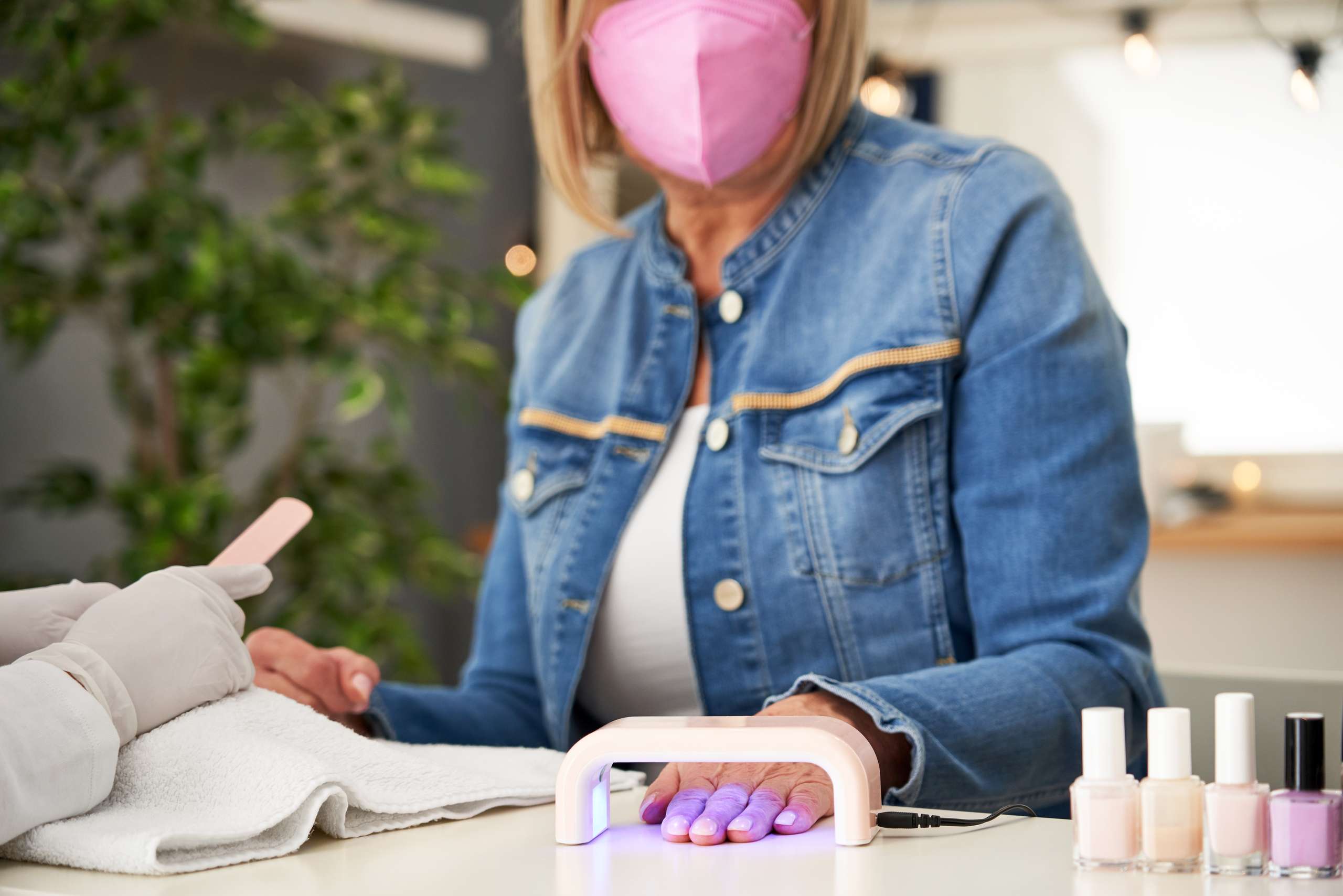
A universal concern for nail polish application is how to paint the cuticle area without flooding it. This is something that always comes with practice. When you are new to nail polish, your brush may stroke too far and it may deposit a lot of color at the cuticles and you will find the nail looking very sloppy even if you are using the most gorgeous nail polish. This is not because your hands are shaking. The reason is you are putting the brush too close to the cuticles too fast.
Once you master the first millimeter of movement of the brush, you are already more than halfway through the application process. How to paint without flooding the cuticle: A great trick to get the first millimeter of movement just right is to place the brush a little further away from the cuticles than you actually intend to paint. After placing the brush onto the nail, softly nudge the brush towards the cuticles with a light sliding motion.
The bristles will splay out and naturally form a rounded line that follows the curvature of the nail bed. Do not press too hard to get the polish to move; let it glide instead. Once you have the polish near the cuticles, you can cover the rest of the nail with long strokes that follow the natural shape of the nail. One common mistake that causes people to flood the cuticle area is using too much polish. It is very hard to maneuver the polish if it spreads too fast across the nail.
The fix is also very simple: wipe one side of the brush against the neck of the bottle so that you have a moderate amount of polish left on the brush. With less polish, it moves slower and you have time to maneuver it to where you want near the cuticles without letting it flood the skin. If you practice this small detail, you can instantly see improvements in your nail job. Fifteen minutes of polish practice can go a long way. Take a few minutes to practice painting just the center of your nail, leaving a gap near the edges. Then take a few minutes to practice nudging the polish towards the cuticles without touching the skin.
Finally, take a few minutes to smooth out the nail surface with long strokes from cuticles to tip. If you repeat this exercise a few times a week, you will start developing a consistent stroke. With practice, your brush will start to feel less like a foreign object and more like a part of your fingers and your hands. The polish will land where you want it near the cuticles and your nail job will have a nice border around it. We often think the most difficult nail jobs involve nail art, but actually, practicing to control the polish near the cuticles requires the most patience of all when you are just starting out. Once you get a handle of this stroke, you can practice with even the most complicated color and finishes and it will become much easier to apply.